10 Things You Should Avoid Putting in a Dumpster
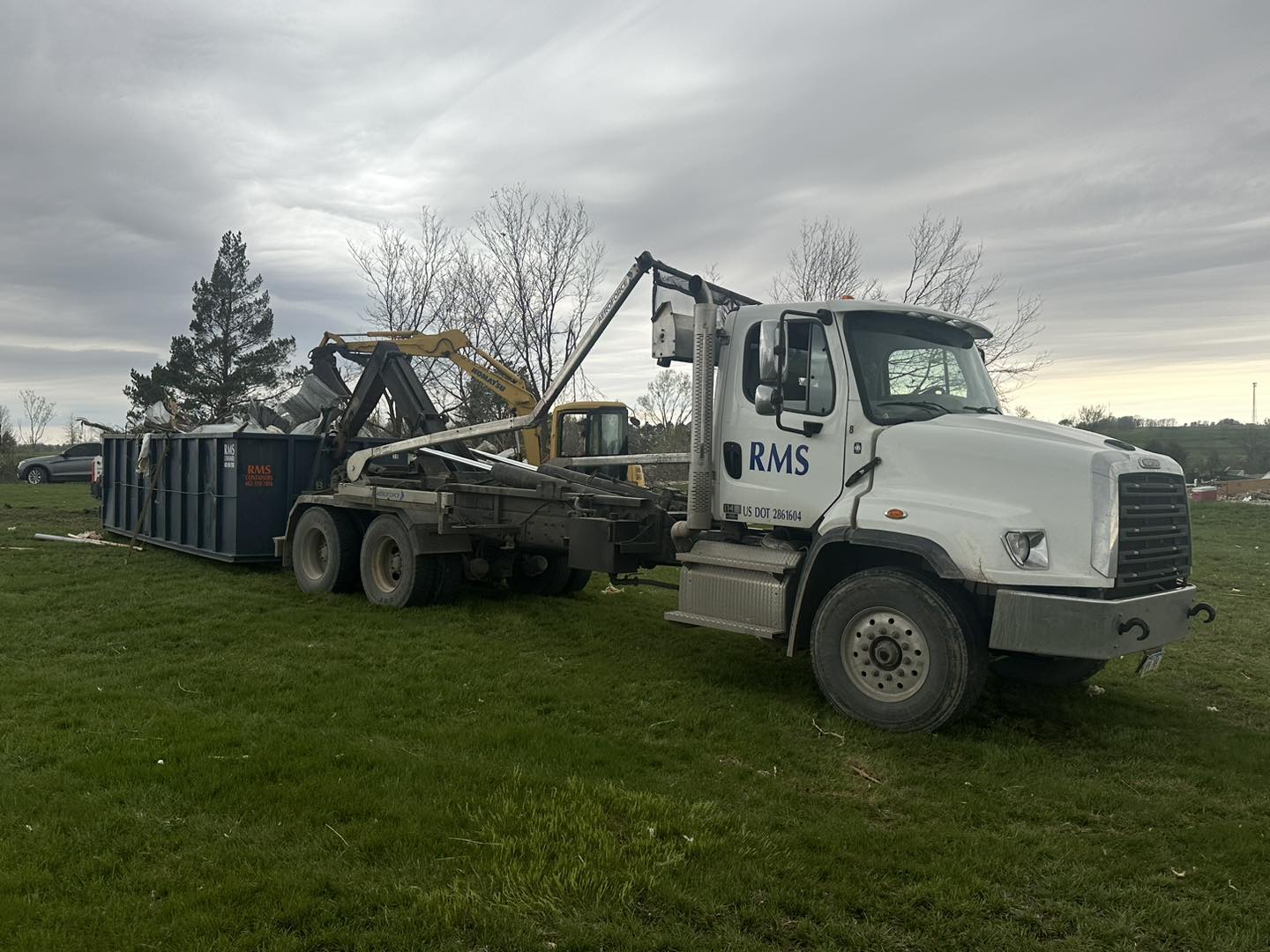
When it comes to cleaning out a home, managing a renovation project, or handling debris from a large cleanup, renting a dumpster can make the process much more convenient. Having one convenient location for waste helps maintain an orderly and safe workspace. However, not everything belongs in a dumpster. Some materials are restricted for safety, environmental, or legal reasons, and knowing what to avoid can save you from fines and complications later on.
Here at RMS Dumpsters, our mission centers on providing dumpster rentals while encouraging responsible disposal habits. We aim to ensure our customers enjoy efficient dumpster use without compromising on proper waste handling. Understanding what cannot be thrown into a dumpster is essential to maintaining compliance and ensuring that waste is handled safely. Here are ten items that should never go into a dumpster, along with why they require special disposal methods.
1. Hazardous Fluids and Chemicals to Avoid
Chemicals like pesticides, solvents, bleach, and household cleaners can pose serious risks if placed in a dumpster. They can combine with other materials, releasing dangerous vapors that threaten both human health rent a small dumpster crescent ia and nature. When they reach a landfill, they can contaminate soil and groundwater, causing long-term damage to the ecosystem.
Instead of tossing these items into a dumpster, take them to a hazardous waste collection site. Many local waste facilities organize drop-off events for chemical disposal, ensuring these substances are handled according to safety standards. Proper disposal keeps your community safe and prevents environmental harm caused by improper dumping.
2. Automotive Oils, Paints, and Related Liquids
You should never dispose of paints, automotive oils, or transmission fluids in dumpsters, as they contain dangerous compounds and metals. Even minor leaks from these fluids can pollute soil and water, posing environmental threats. Latex-based paints should also be dried completely before they are thrown away.
You can take these items to recycling centers or auto service shops that handle them responsibly. Some types of oil can even be cleaned and reused in other applications, reducing waste. Choosing proper disposal methods reflects a commitment to environmental responsibility and sustainability.
3. Why Batteries Should Never Go in a Dumpster
Batteries hold chemicals including mercury and cadmium that can severely pollute ecosystems if not disposed of properly. Improperly discarded batteries can release these toxins into soil and water, endangering animals and people alike. Larger batteries like those in vehicles carry greater environmental risk.
A wide range of electronic retailers now accept old batteries for recycling. By bringing used batteries to designated recycling locations, you help ensure they are processed correctly and valuable materials are recovered. Your responsible action helps protect the environment and reduce contamination.
4. Tires
Tires are another common item that should never be thrown in a dumpster. Due to their design and durability, they do not fit the requirements for landfill disposal. When buried, they can trap gases that cause them to resurface and damage landfill structures. Improper disposal of tires often leads to pest infestations and unsanitary conditions.
Recycling programs and tire sellers frequently take used tires for safe recycling. These facilities recycle rubber into new products like playground flooring, asphalt, or fuel alternatives. Proper tire recycling encourages sustainability and gives new life to old materials.
5. Electronic Devices and Home Appliances
Household devices such as televisions, computers, and appliances include elements that should never be thrown into a dumpster. Inside these products are materials such as mercury, lead, and refrigerants that can negatively affect the environment. Dumping these items without proper handling can result in fines and environmental contamination.
The safest way to handle unwanted electronics and appliances is through e-waste recycling programs. These facilities disassemble devices safely and extract reusable metals and plastics. By taking part in e-waste programs, you help reduce pollution and support responsible recycling in the electronics field.
6. Proper Disposal of Medical Waste
Medical waste, such as syringes, bandages, or unused medications, must be handled with great care. If placed in a dumpster, these materials pose major risks to waste collectors and the public. Improperly managed medical waste can spread diseases and cause contamination.
Hospitals, pharmacies, and clinics usually have designated programs for collecting and disposing of medical waste safely. Some local authorities even offer community drop-off boxes for medications and sharps. By utilizing these disposal programs, you help maintain safety standards and keep harmful materials out of the regular trash.
7. Combustible and Explosive Items
Explosive or combustible items such as fireworks, gas, and pressurized containers pose serious dangers when dumped. Residual gases or pressure left inside these items can cause them to explode unexpectedly. Disposing of them improperly puts waste handlers and bystanders at risk.
Local hazardous material facilities are designed to safely manage these types of items. Many gas suppliers also offer take-back programs for used propane tanks, ensuring they are safely depressurized and recycled. Properly disposing of flammable materials protects your property and ensures the safety of waste handlers.
8. Disposing of Refrigerators and Air Conditioners Correctly
Cooling units like freezers and air conditioners have chemicals that can harm the atmosphere when released. If mishandled, these chemicals can lead to air pollution and damage the ozone layer. Dumpsters cannot manage refrigerants safely, which is why these appliances should not be thrown away in them.
You can take used appliances to facilities that process them in an environmentally safe way. Authorized specialists remove harmful chemicals before recycling the rest of the appliance. This approach prevents environmental damage and promotes the reuse of valuable materials from old appliances.
9. Large Amounts of Yard Waste
Dumpsters can handle limited yard waste, but large volumes of organic materials must be disposed of differently. Grass clippings, branches, and leaves can be composted instead of sent to a landfill. Combining yard waste with other garbage slows down natural decomposition and fills landfills quickly.
Consider composting or using local green waste programs to dispose of yard debris responsibly. Composting creates fertile soil that supports healthy gardens and lawns. Avoiding yard waste in dumpsters reduces landfill burden and encourages eco-friendly waste practices.
10. Hazardous Building Materials Like Asbestos
Materials containing asbestos or lead pose serious hazards and need professional attention. Once disturbed, asbestos releases fibers that can cause major health problems when breathed in. Disposing of these materials in a dumpster can violate laws and create serious safety hazards.
If your project involves older buildings, consult with a licensed professional for proper removal and disposal. Following professional removal and containment guidelines ensures public and worker safety. Proper management of these toxic materials helps safeguard health and preserve the environment.
Promoting Safe and Sustainable Waste Disposal
Managing waste responsibly goes beyond compliance; it demonstrates care for the environment and public safety. Awareness of what belongs in a dumpster prevents pollution and supports eco-friendly living. Every action toward responsible disposal builds a healthier and more sustainable future.
RMS Dumpsters remains committed to offering dependable dumpster rentals that promote safe and responsible disposal. By understanding which items require special disposal, you can make the most of your rental while keeping safety and environmental standards in check. Collective responsibility makes proper waste disposal effortless and beneficial for everyone.